
Exploring Different Types of Food Distribution Models: Pros and Cons
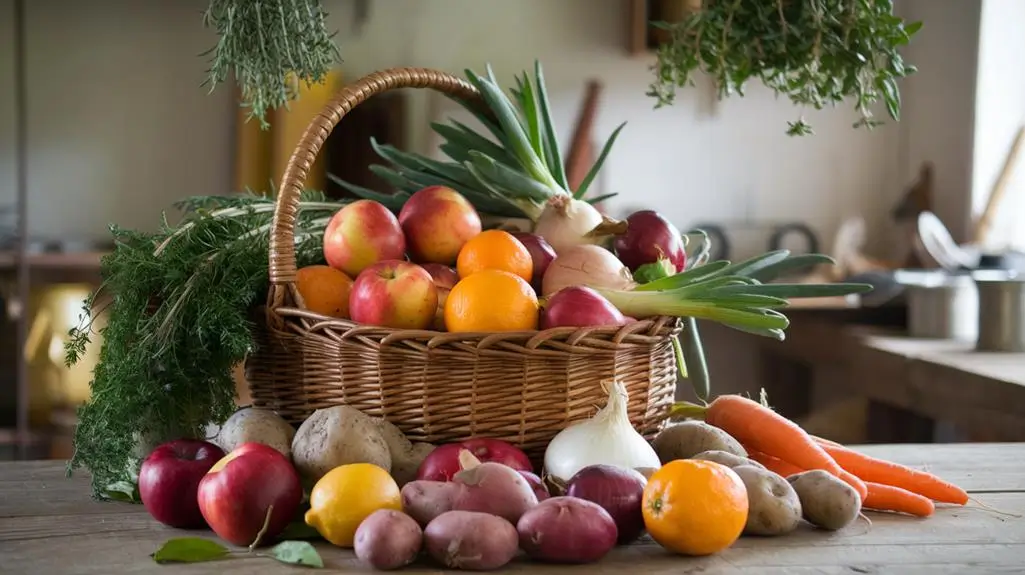
Businesses have the option to choose between direct distribution, indirect distribution, or a hybrid approach for their food products. With direct distribution, you’ll enjoy higher profit margins and transparency, but face limited scalability. Indirect distribution leverages partners’ infrastructure, but you’ll have less control over pricing, branding, and customer experience. A hybrid model offers flexibility to […]
The Role of Temperature Control in Food Distribution: Maintaining Quality and Safety
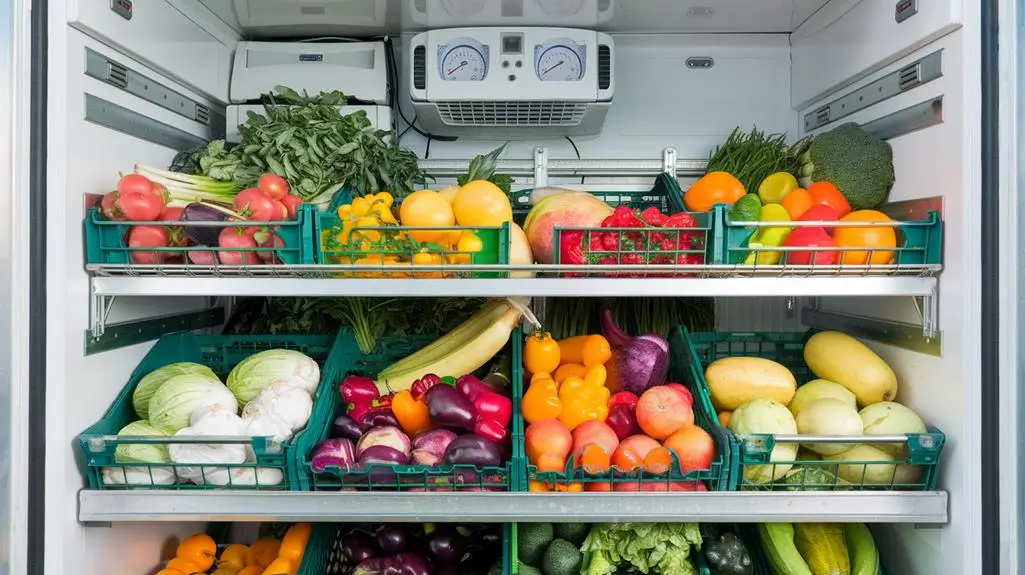
Proper temperature control is essential for safeguarding the quality and safety of food throughout distribution. Maintaining perishable foods below 40°F slows spoilage, while cooking to 165°F kills most harmful bacteria. Ideal consumption temperatures are 5°C or below, with brief fluctuations allowed. This temperature control extends shelf life, reduces waste, and guarantees food safety by inhibiting […]
Understanding Food Safety Certifications: What They Mean for Distributors and Consumers
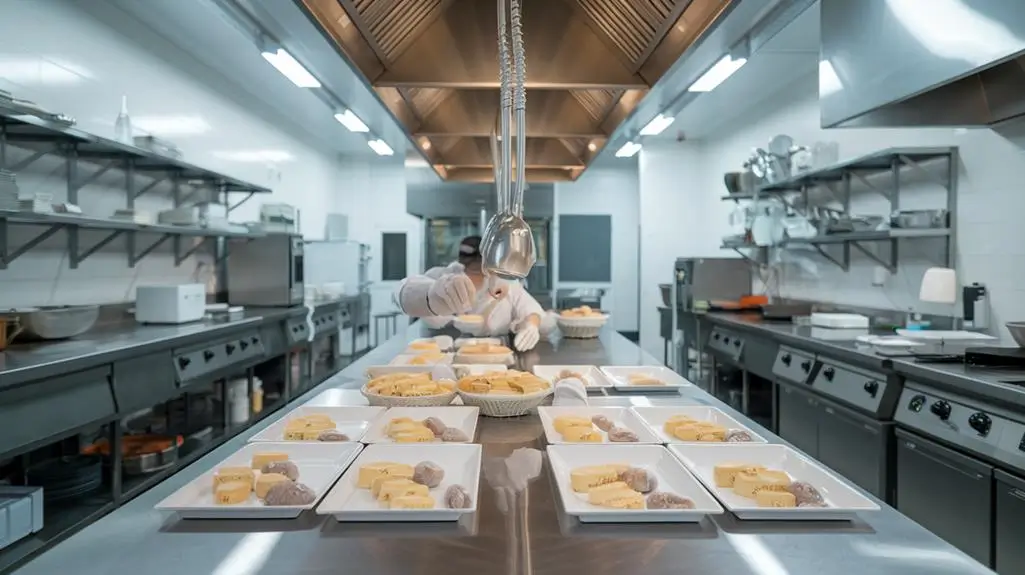
Food safety certifications are crucial for food distributors, as they demonstrate compliance with recognized industry standards and a dedication to producing and handling safe, high-quality products. These certifications, earned through rigorous audits and inspections, not only fulfill legal requirements but also signal to consumers that the distributor prioritizes food safety. With the ongoing risks of […]
Efficient Food Inventory Management in Prisons: A Distributor’s Guide
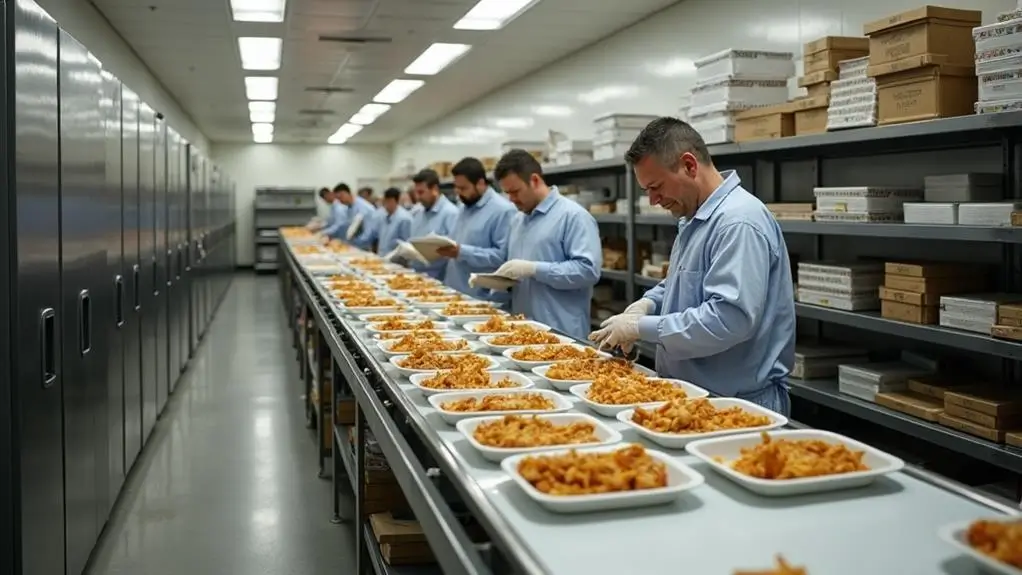
Managing food supplies in prisons takes careful planning. You need to balance safety, tracking, and changing numbers of inmates. Use simple tech like tags and computer programs to keep better track of food. Follow nutrition rules while trying to save money by buying in bulk and watching portion sizes. Make meal plans that can change […]
Balancing Cost and Worker Satisfaction in Industrial Canteens: A Distributor’s Perspective
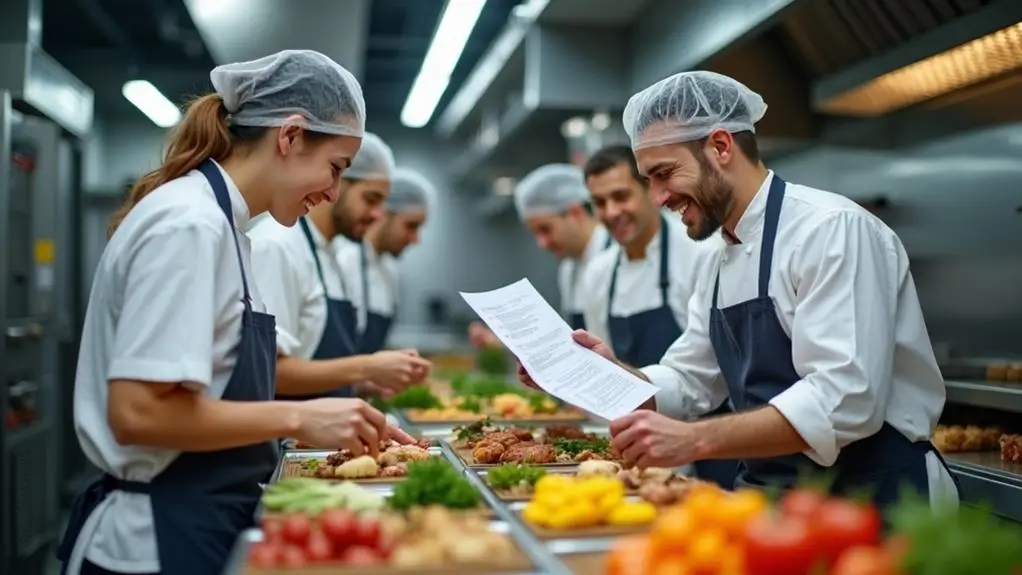
Running industrial canteens means always trying to keep costs down while making sure workers are happy with their food. To do this, plan menus carefully, use foods that are in season, and cook in ways that save time and money. Make sure meals are healthy but watch how much food you serve and buy in […]
The Journey of Food: From Farm to Table Through Distribution Channels
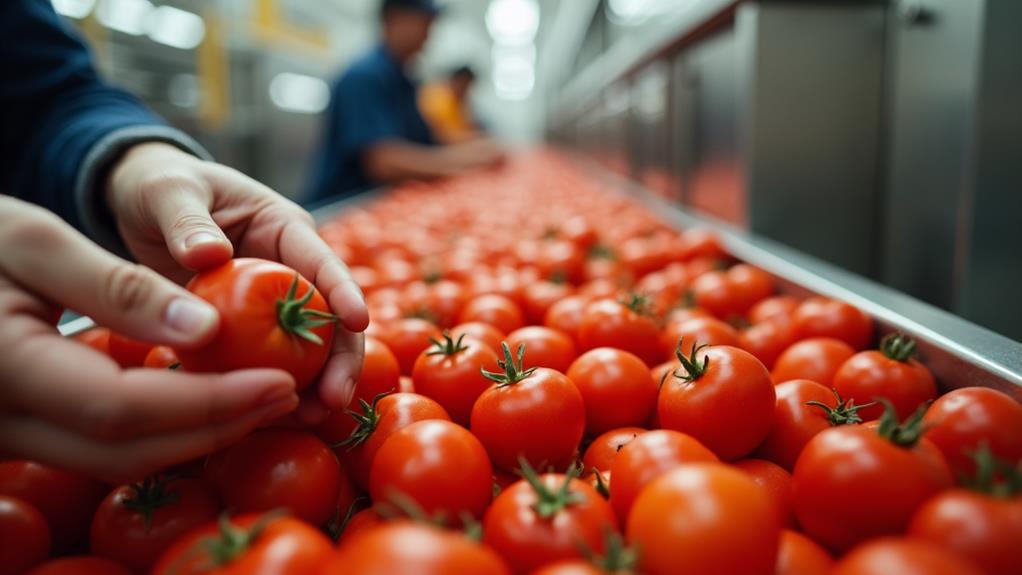
Food travels a long way before it reaches your plate. It all begins on farms where crops are picked. Farmers use special tools to help them gather food quickly. After that, the food is moved in trucks that keep it cool so it doesn’t spoil. When it’s not being moved, the food is kept in […]
Th Efficient Food Service During Shift Changes: Distribution Solutions
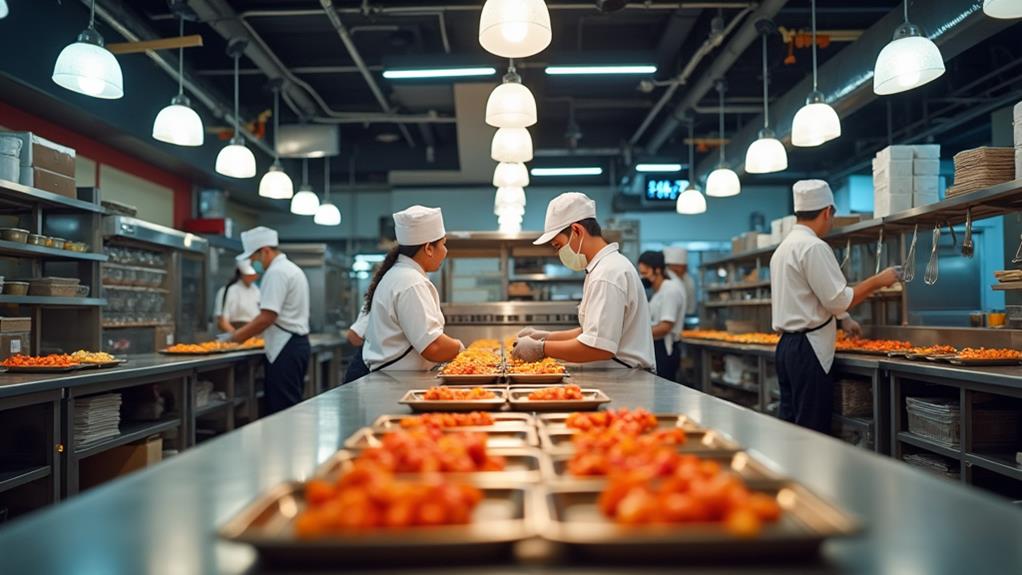
Making food service work well during shift changes means improving how you give out food. Use online ordering and computer programs to keep track of what you have. This helps cut down on mistakes and wasted food. Use technology to guess when you’ll be busy and plan work shifts better. Sort your food items by […]
Nutritious Meals for Physical Labor: Food Distribution in Industrial Settings
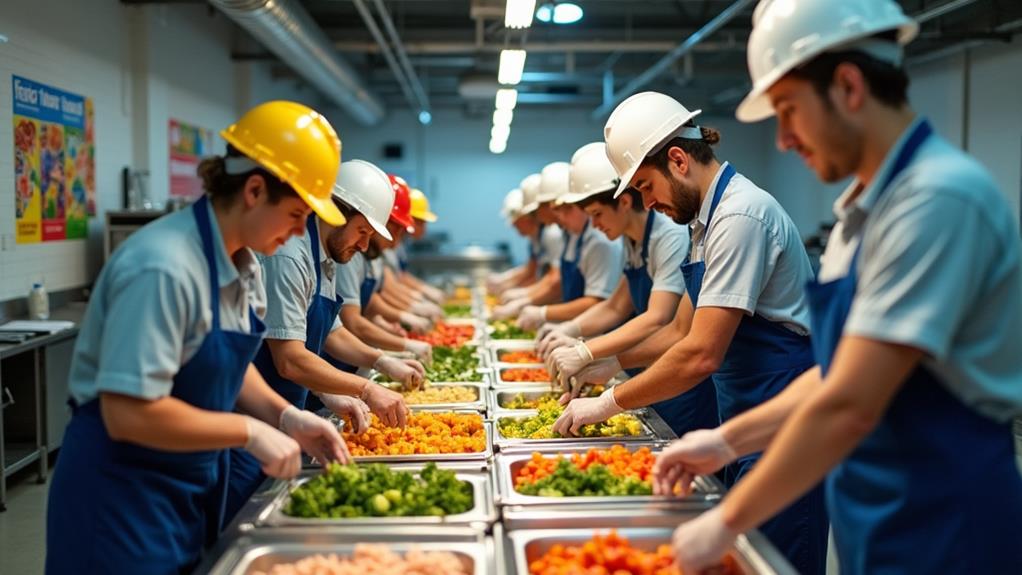
Healthy meals are important for workers doing tough jobs. They need good food to stay strong and work well. Make sure meals have meat or other protein, whole-grain bread or pasta, fruits, and vegetables. This mix helps workers have energy all day. Set up places where workers can easily get food, like cafeterias or food […]
Accommodating Religious and Cultural Diets in Prisons: Distribution Solutions
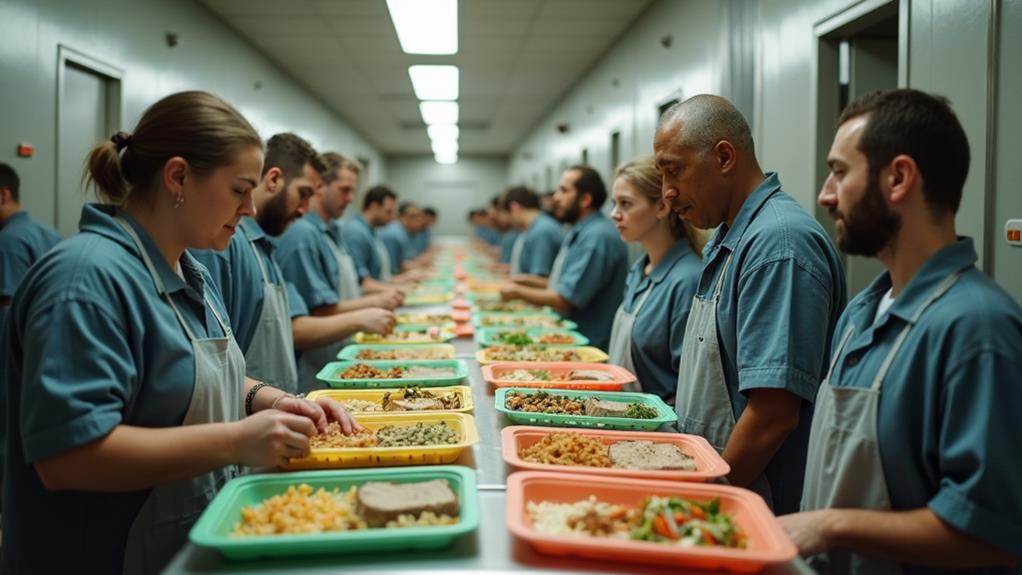
Prisons need different ways to handle religious and cultural diets. One good idea is to use special meal systems like SPARTAN. These systems use tags for each inmate to make sure they get the right food. It’s also important to teach staff about different food rules and eating habits. This helps them understand and respect […]
Creating Educational Food Experiences in Children’s Homes: A Distributor’s Role
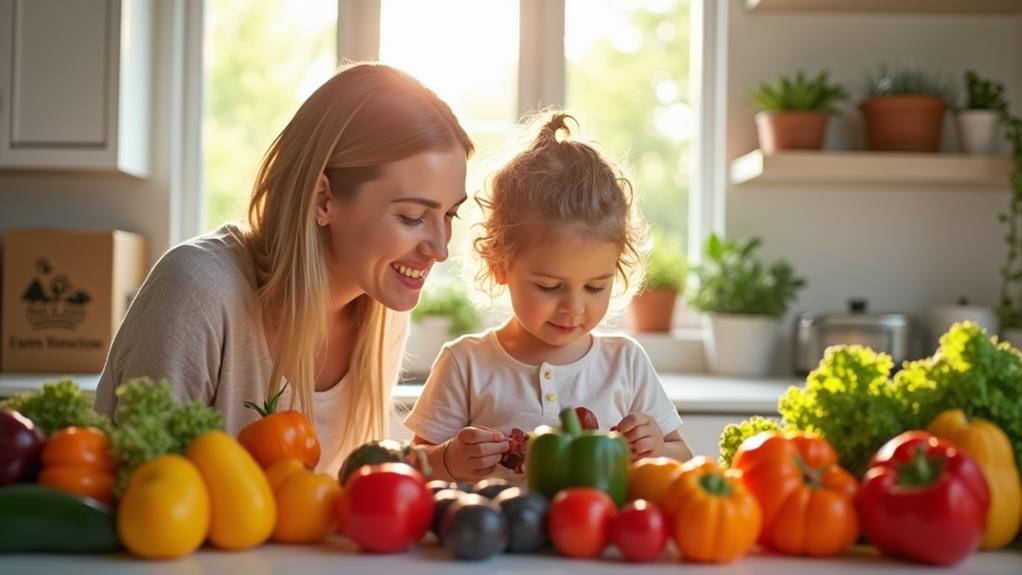
Food sellers can help kids learn about healthy eating at home. You can bring fresh fruits and veggies to families every week. Share easy recipes and cooking ideas through texts, letters, or a phone app. Make eating well fun by using bright colors and cool displays. Have events where families can try new foods. Keep […]