
The Role of Data Analytics in Optimizing Food Distribution Networks
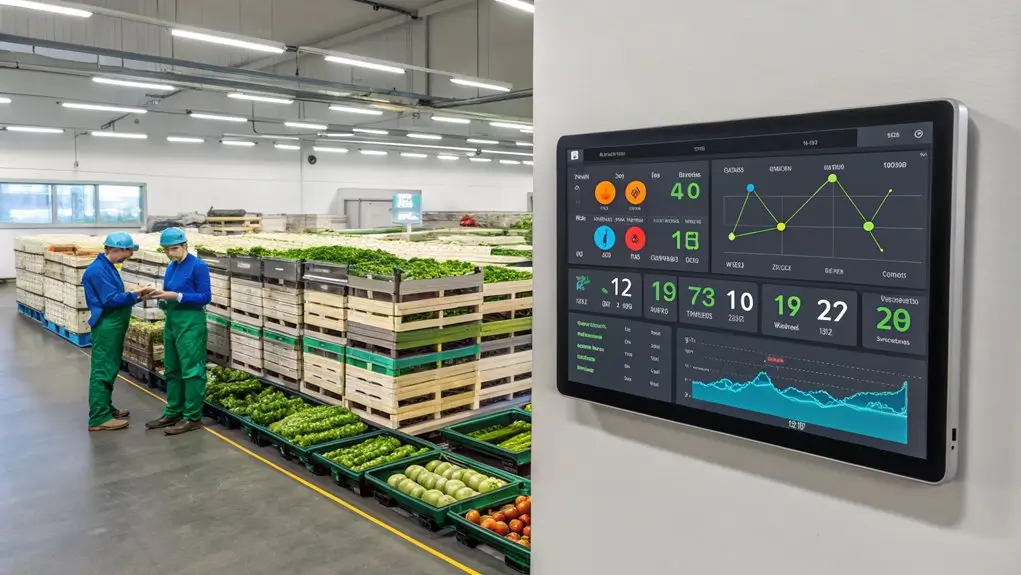
Data insights are changing how food gets from farms to stores. Companies use past sales numbers and future predictions to cut extra stock by 30% and throw away 20% less food. Sensors and tracking tools watch the supply chain in real time, while smart computer programs find the best delivery routes, cutting travel costs by […]
Food Distribution in Emergency Situations: Lessons From Natural Disasters
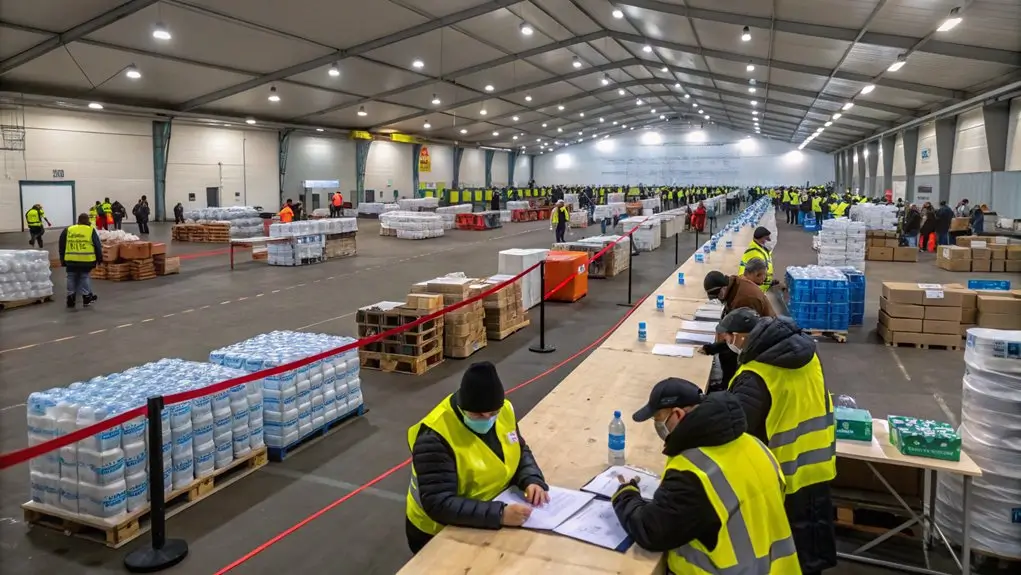
Emergency food aid works best when teams check needs quickly and send help fast. People in shelters and hospitals get food first, and all food must be safe to eat. Helper teams set up food centers close to where people need help, using oldest supplies first to avoid waste. Working with local food banks and […]
Sustainable Practices in Food Distribution: Environmental and Economic Benefits
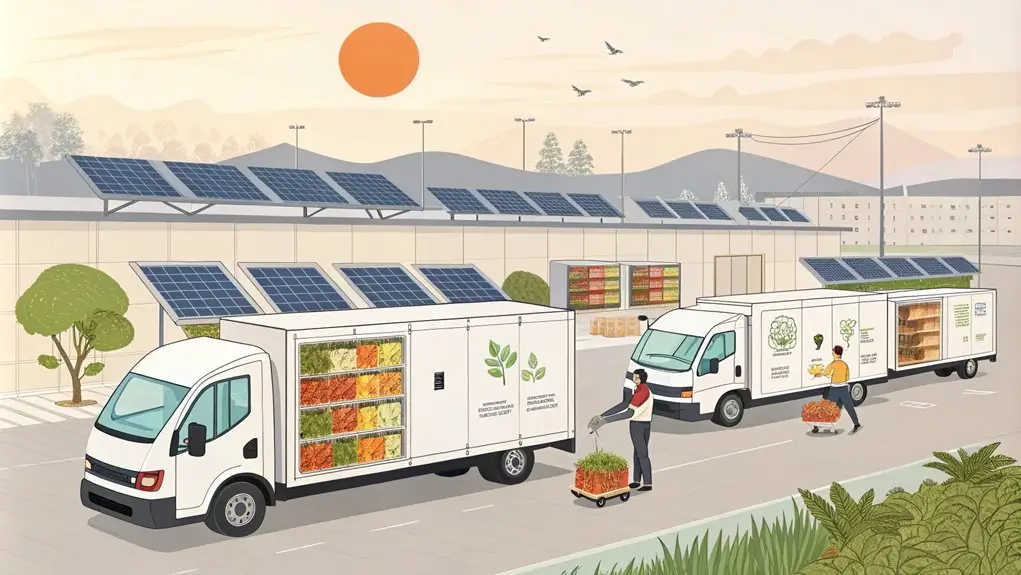
Food companies can help the environment and save money by making smarter delivery choices. Using GPS to plan better routes cuts fuel use by 20%, and newer delivery methods lower harmful gases by up to 50%. With better planning, we could stop 103 million tons of food from going to waste in the U.S. each […]
The Economics of Food Distribution: Factors Affecting Pricing and Availability
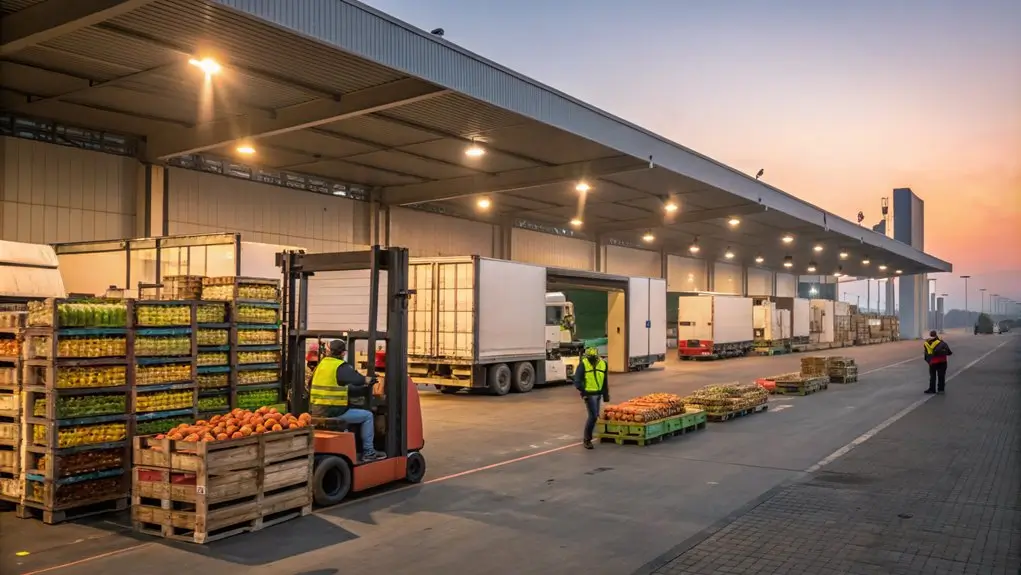
Food prices and supply are shaped by many connected factors. Moving food from farms to stores costs money – things like gas for trucks and keeping them running add a lot to food prices. From 2021 to 2022, food got much more expensive – prices went up 11% in the U.S. and 55.2% worldwide because […]
Navigating Food Import and Export Regulations: A Distributor’s Guide
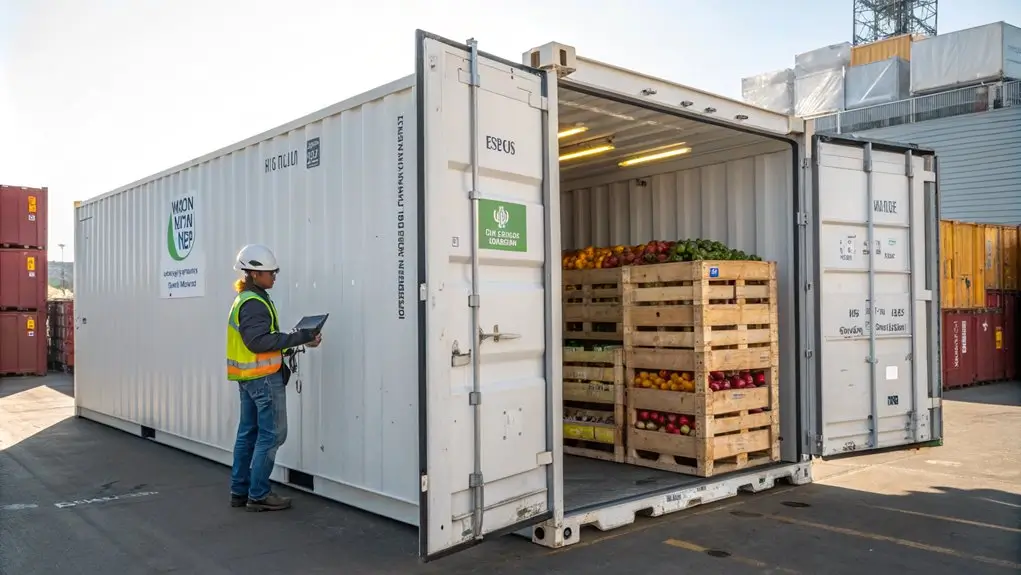
Food companies shipping products in and out of the U.S. need to follow rules set by several government offices – the FDA, USDA’s FSIS, and Customs. Key steps include getting permits, setting up payment bonds, proving food safety, and telling officials at least 2 hours before shipments arrive. Companies should get insurance and write down […]
The Evolution of Food Distribution: From Traditional Methods to Modern Logistics

The evolution of food distribution has transformed from traditional barter and marketplace systems to sophisticated global supply chains. Technological advancements like smart inventory management, real-time tracking, and data-driven decision-making have reduced waste by 20-30% while optimizing freshness and availability for consumers. Logistics service providers now offer diverse solutions, from LTL freight to reverse logistics, while […]
Understanding Food Grade Transportation: Requirements and Best Practices
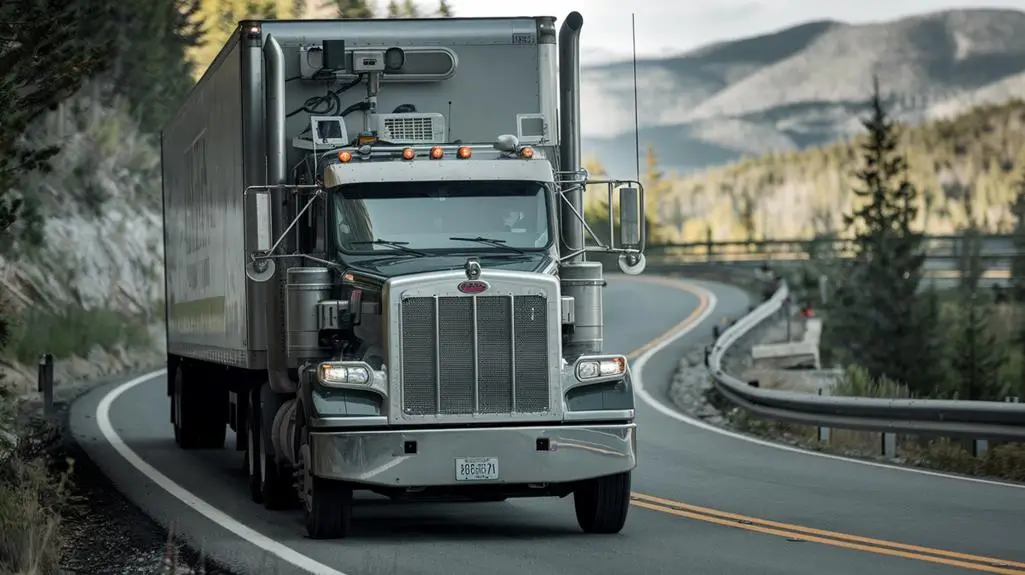
To guarantee food products maintain safety and quality during transportation, you must strictly adhere to a thorough set of regulations and best practices. These cover critical areas like temperature control, sanitation, and contamination prevention. You’ll need to comply with mandates on cleaning procedures, temperature monitoring, and fail-safes to address equipment failures. Proper packaging, vehicle hygiene, […]
The Importance of Traceability in Modern Food Distribution
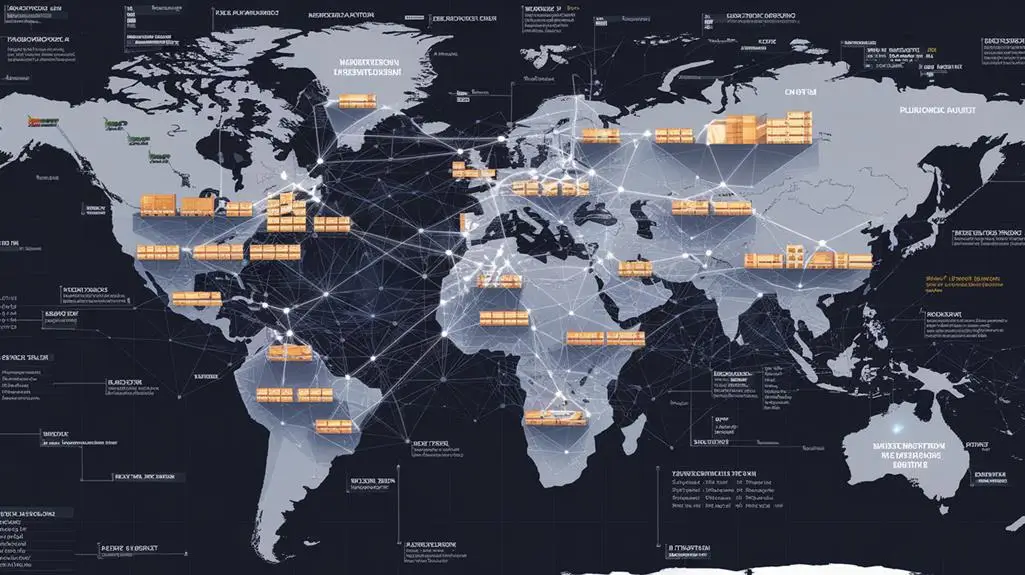
As supply chains grow more complex, traceability has become vital to ensuring the safety, quality, and transparency of food products. It enables you to track goods from production to distribution, quickly identifying and isolating contaminated items. Traceability strengthens compliance with food safety standards, builds consumer trust through transparency, and facilitates efficient recalls. It verifies the […]
Decoding Food Labels: A Guide for Distributors and End Consumers
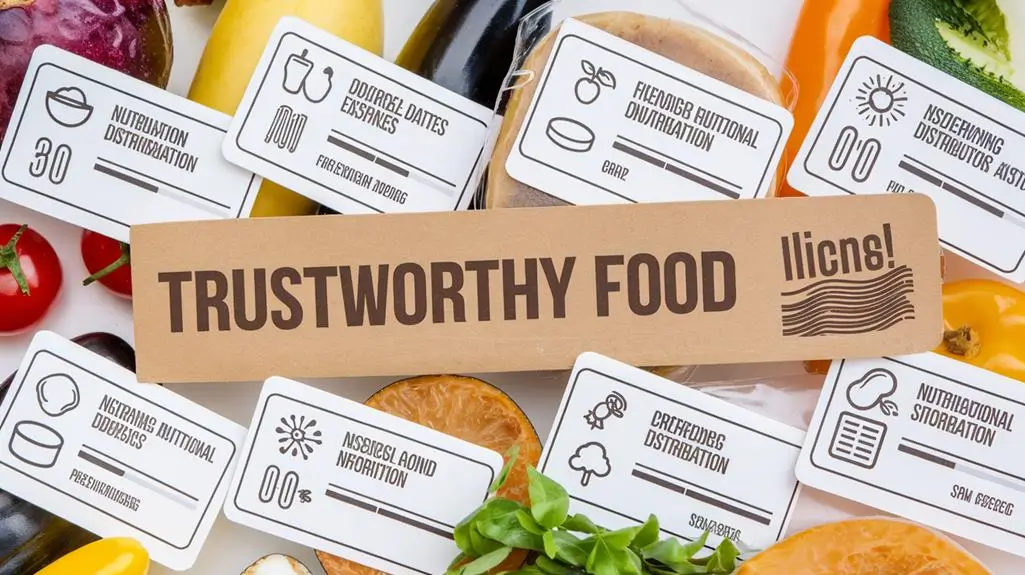
As a distributor or consumer, you’ll need to navigate the complexities of food labeling to make informed purchasing decisions. Understand the regulations governing required information like ingredients, nutrition facts, and allergens. Learn to identify misleading claims or manipulation of serving sizes. Recognize certifications for organic, non-GMO, and allergen-free products. Pay close attention to expiration dates […]
The Impact of Seasonality on Food Distribution: Challenges and Opportunities
Seasonal shifts in food demand create both challenges and opportunities for distributors. You’ll need to analyze historical sales data, collaborate with suppliers, and leverage technology to anticipate and plan for fluctuations in consumer preferences. Diversifying your product offerings, building strong supplier relationships, and adapting your logistics and transportation can help you navigate weather-related disruptions and […]