Small restaurants can cut down on food waste by planning their food orders and use more carefully. This starts with tracking what dishes sell best and when, building good relationships with food suppliers, and storing ingredients properly with clear systems for using older items first. Teaching staff the right serving sizes and how to handle food correctly helps save money. Working with local groups to share extra food that can’t be used helps avoid waste. All these steps work together to create a complete plan that restaurants can put in place step by step to reduce waste and save money.
Key Takeaways
- Use data from past sales to accurately forecast ingredient needs and adjust order quantities to match actual demand patterns.
- Implement a robust first-in, first-out inventory system with clear labeling to prevent food spoilage and track expiration dates.
- Partner with local suppliers for more frequent, smaller deliveries to maintain freshness and reduce excess inventory.
- Train staff on proper portion control and standardized serving sizes to minimize overproduction and plate waste.
- Connect with local food banks and charities to redistribute unused but still-good food items before they spoil.
Data-Driven Demand Forecasting and Inventory Management
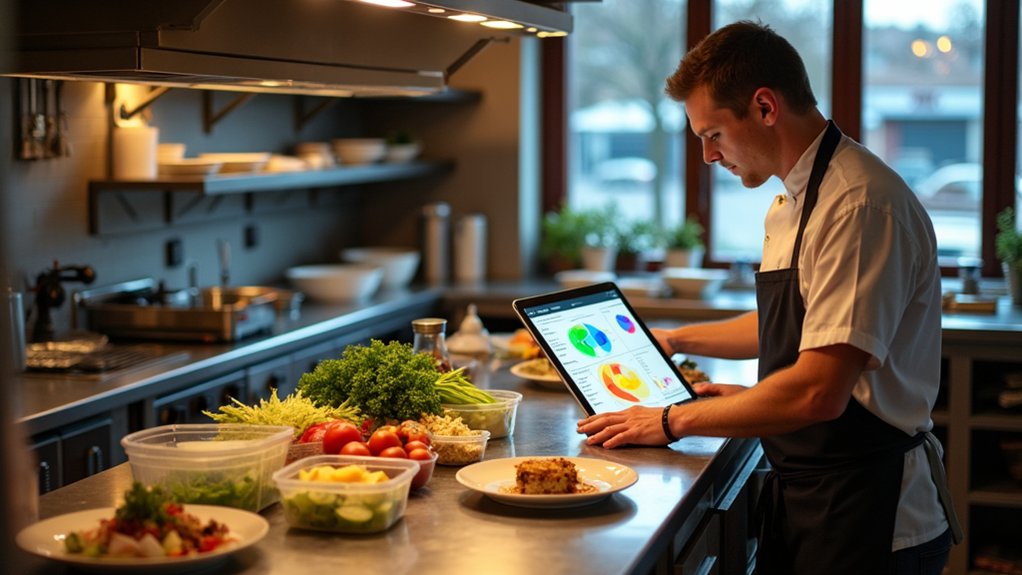
Small restaurants can cut down on wasted food by using data to predict what they’ll need and manage their supplies better. By looking at past sales numbers and using tools that help predict future needs, restaurants can figure out how much of each ingredient to buy.
When they connect their sales systems to easy-to-read charts, staff can watch supply levels as they change and spot regular patterns in how ingredients are used.
Using a “first in, first out” system along with supply tracking software helps keep track of when food goes bad and stops it from spoiling. The system looks at how much food is used each day, week, and season through automatic tracking, which lets restaurants change how often they order supplies.
This organized way of working makes sure orders are just right, keeps extra supplies low, and cuts down on waste by making choices based on real numbers. Just-in-time food production principles can help restaurants maintain freshness while minimizing excess inventory and waste.
Strategic Supplier Partnerships and Ordering Optimization
Strong relationships with suppliers help restaurants manage their inventory better using real data. By working out good deals, restaurants can set up delivery times and amounts that match what they really need. This helps them order supplies right when they need them, keeping stock levels low while making sure food stays fresh.
When restaurants and suppliers share feedback regularly, both sides can make their work better. Suppliers can tell restaurants about new products and ways to cut down on waste. Working together on smarter delivery routes and combining orders helps save money and is better for the environment. This makes the whole supply chain work better, especially for smaller restaurants.
Leveraging bulk purchasing power through distributors enables restaurants to optimize their procurement costs while maintaining quality standards.
Storage Solutions and Stock Rotation Best Practices
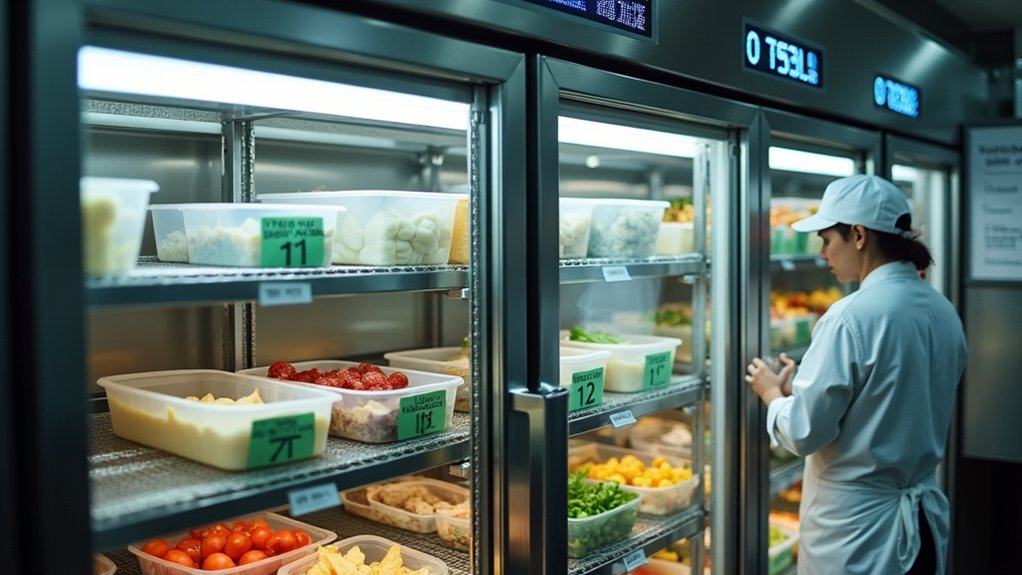
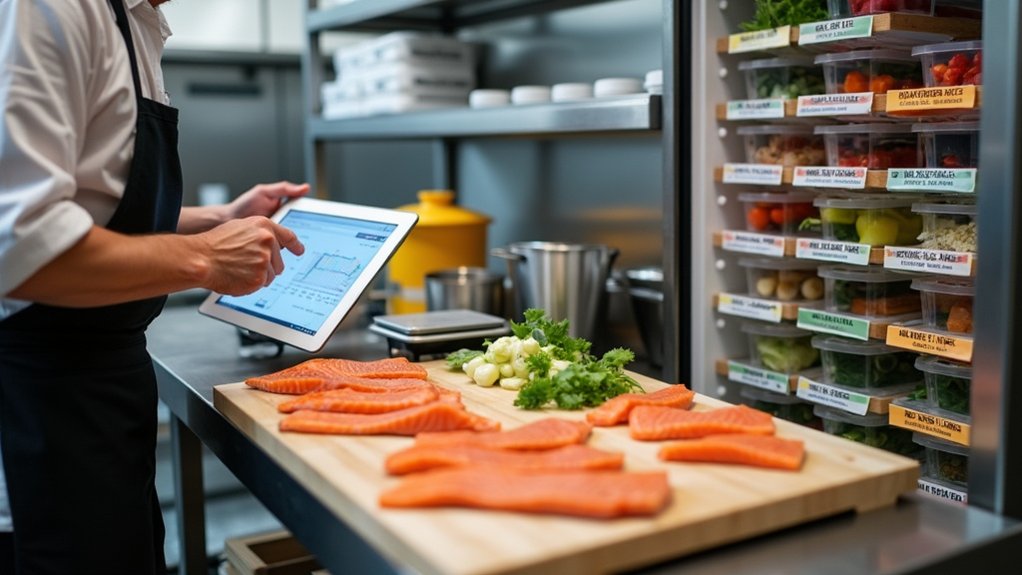
Good storage and rotation methods help restaurants reduce food waste. Using a first-in, first-out system means older items get used before newer ones, while proper storage containers and wrapping keep food fresh longer.
Clear date labels make it easy to track when food needs to be used, so nothing gets forgotten and goes bad. Regular checks catch expired items early, cutting down on waste. Teaching staff the right way to store and rotate food items helps keep these systems working well.
When restaurants use these storage methods together, food stays fresh longer and less gets thrown away. Quality assurance checks during food receiving, storage, and preparation stages help restaurants promptly identify and address any quality issues.
Staff Training and Operational Efficiency
Training workers well is key to cutting down food waste. Teaching staff the right ways to handle, store, and cook food helps restaurants waste much less in their daily work.
Getting workers involved through rewards and letting them share ideas makes waste reduction work better. Looking at food waste regularly with the staff helps spot problems and makes everyone feel responsible for fixing them.
Making food as needed and keeping close track of supplies helps teams cook the right amounts and waste less. When workers know these steps well and follow them, restaurants run smoother and throw away less food. Implementing standardized serving sizes through portion control training ensures consistent meals while minimizing excess production.
Community Partnerships and Food Redistribution Networks
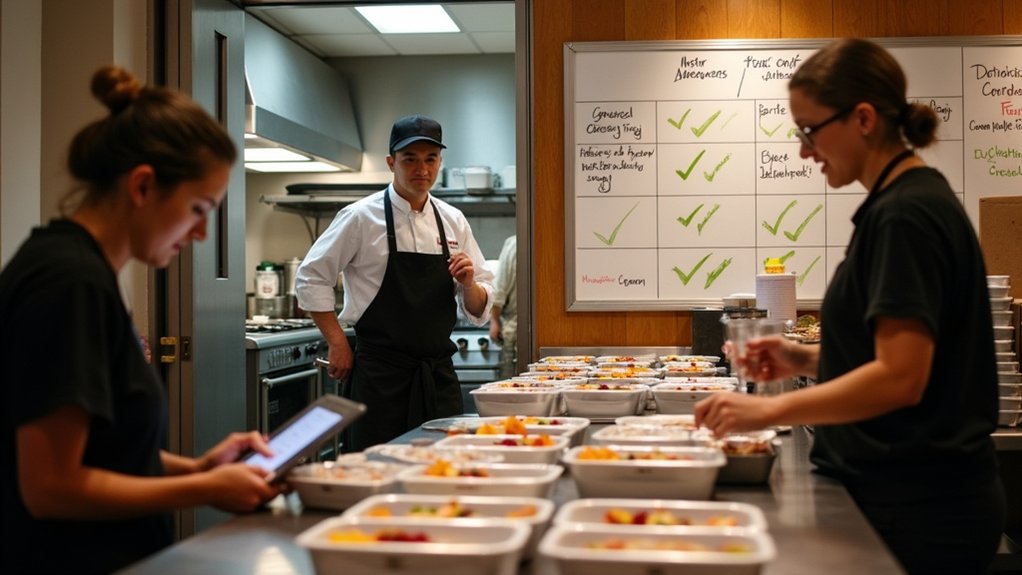
Food sharing works best when local groups work together. Restaurants can team up with food banks, shelters, and charities to share extra food in an organized way. When groups plan together, they can stop food waste and help people who need meals.
Moving food from one place to another needs good planning, safe food handling, and clear ways to talk to each other. Restaurants save money on throwing food away and help their community at the same time. Good ways to do this include setting regular times for food pickup, keeping track of what food goes where, and working with different groups to make sure extra food always has somewhere to go. Similar to how centralized food service helps control costs and ensure nutritional value in correctional facilities, restaurants can benefit from coordinated distribution systems.
Frequently Asked Questions
How Can We Run a Restaurant That Can Reduce Food Waste?
Restaurants can cut down on wasted food by keeping close track of their supplies and planning meals better. This means serving the right amount of food on plates, teaching workers how to waste less, and storing fresh food properly to make it last longer.
How Can We Reduce Food Waste in Food Industry?
Smart food waste reduction in the food industry starts with better storage control and using computers to track food items. Setting up partnerships with food banks and charities helps use excess food wisely. Better planning of delivery routes and timing cuts down spoilage. Teaching workers proper handling methods and using past sales data to order the right amounts helps save more food from being thrown away.
How Can Meal Planning Reduce Food Waste?
Planning meals ahead and cooking the right amounts helps you buy and make just what you need. When you plan this way, less food goes bad in your fridge, and you use up fresh ingredients before they spoil.
How Can We Reduce Food Waste in the Supply Chain?
Smart planning and better control of food supplies help cut down waste by using data to predict needs, ordering food when it’s needed, and moving it quickly from farms to stores. Working closely with food suppliers and using computer systems to track everything helps food move faster and stay fresh longer.
Conclusion
Food waste reduction in small restaurants becomes easier with help from experienced distribution partners like On The Run Marketing. Using basic data tracking, smart inventory planning, and reliable supplier connections, restaurants can cut waste while keeping their food quality high. Having a distribution expert handle supply logistics lets restaurant owners focus on training their staff and building local partnerships, which creates a more sustainable business that saves money and helps the environment.