Food distributors build strong, lasting partnerships by focusing on five key things: clear communication, solid food safety measures, shared business goals, modern tracking tools, and matching company values. Meeting often and sharing key information helps build trust between partners, while strict food checks keep quality high. When companies work toward the same goals and use up-to-date tracking systems, they grow together – cutting food waste by 20% and working 40% better. Understanding these basics helps create partnerships that last and make money.
Key Takeaways
- Regular and transparent communication between partners, including monthly meetings and digital tools, builds trust and strengthens long-term relationships.
- Strong quality assurance systems and reliable supply chain management ensure consistent food safety and timely deliveries.
- Mutual commitment to growth through shared goals, joint marketing efforts, and aligned business strategies drives sustainable partnerships.
- Integration of modern technology and data sharing tools improves operational efficiency and enables better inventory management.
- Understanding and respecting cultural differences while maintaining shared values creates lasting partnerships built on mutual trust.
Building Trust Through Transparent Communication

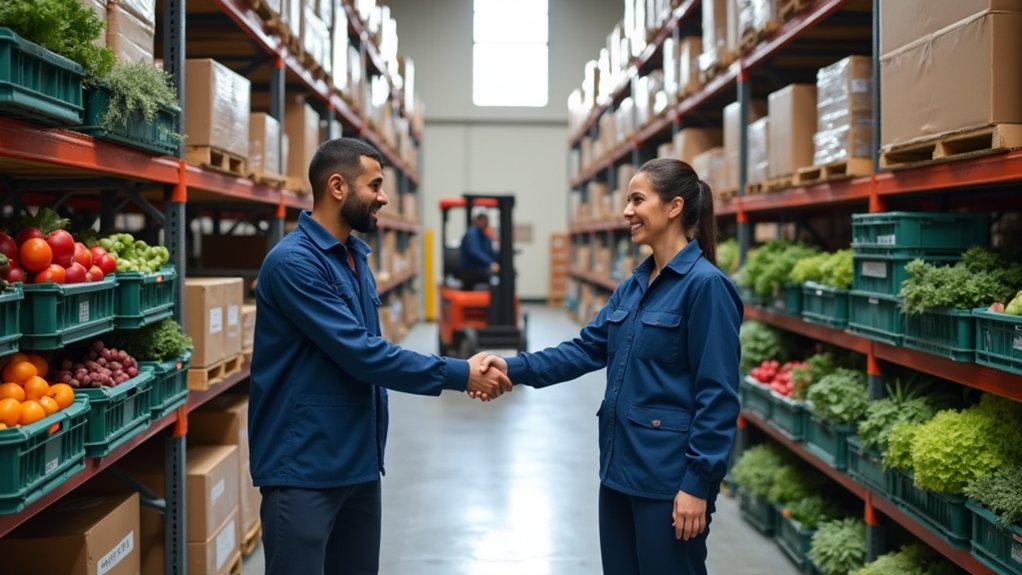
The key elements for building trust in food distribution partnerships rely on three main areas: regular communication, modern digital tools, and ways for partners to work together.
Trust grows when partners meet monthly and every three months to check progress and set shared goals.
Teams use basic software and online tools like Zigpoll to share information and get feedback quickly.
Partners stay open with each other by sharing regular updates about sales numbers, product supplies, and how well their promotions work.
When partners talk often and solve problems together, they build trust and work better as a team.
This makes their partnership stronger over time.
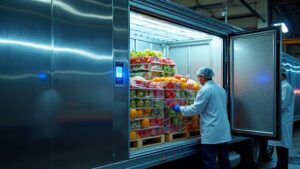
Quality assurance systems help distributors maintain high standards and build lasting trust with restaurant partners.
Quality Assurance and Supply Chain Reliability
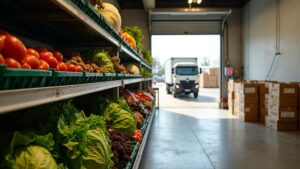
Trust is key when it comes to food quality and making sure supplies arrive reliably. Finding good suppliers who can provide quality ingredients helps make sure kitchens get what they need, when they need it.
Strong checks at every step keep food safe and follow all the rules. Using modern tracking systems helps get orders right and delivered on time, while keeping a close eye on how things are working catches problems early.
When partners regularly check how well their supply chain works and keep their quality standards high, they set themselves up to do well in food distribution for years to come. Implementing SQF Food Safety Code standards establishes essential storage and distribution practices that build a culture of safety excellence.
Mutual Growth and Strategic Alignment
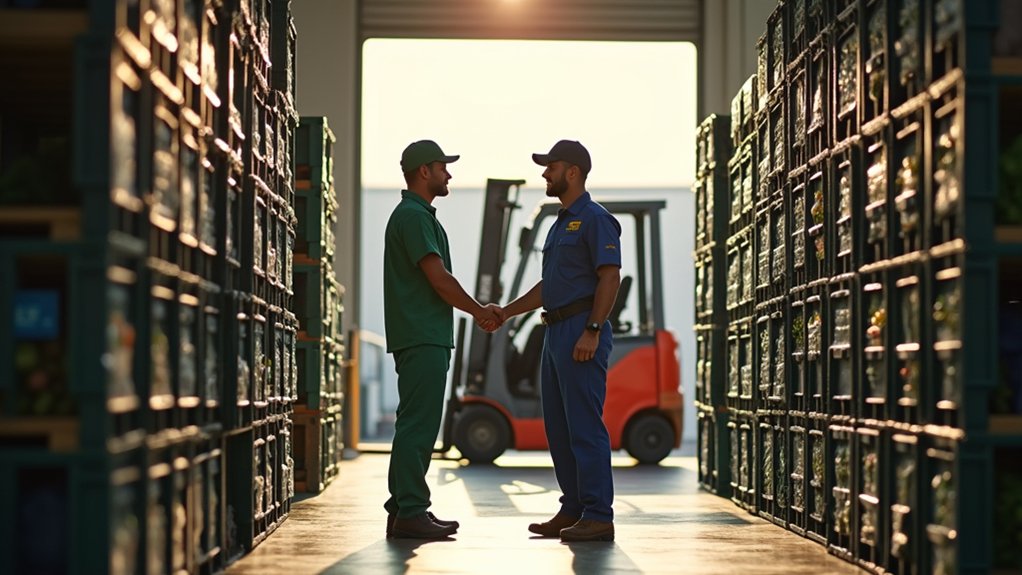
Strong food distribution partnerships work best when both companies aim for the same long-term goals and want to grow together.
Partners need to talk openly and check their work often to stay in step with market changes.
By working together on new ideas and sharing marketing work, companies can use their combined strengths to find new business chances.
Looking at how the partnership is doing helps find problems and make needed changes.
Getting to know each other through planned meetings and casual talks builds trust.
This trust helps partners deal with market problems while working toward shared growth goals.
Regular quarterly review meetings provide structured opportunities to analyze market trends and evaluate new product offerings for continued partnership success.
Technology Integration and Data Sharing
Sharing data and using technology helps food companies work better together to move products from suppliers to stores.
Live tracking tools let partners watch their stock levels and quickly add more products when needed, cutting down waste by 20%. Better planning tools help predict what customers will buy, which means stores run out of items 30% less often.
When partners share information and customer data on the same system, they can quickly adjust to market changes.
Working together this way makes partners 25% happier and helps boost sales by 15% through better marketing. Tools that measure how well things are working make operations 40% more efficient, helping everyone make better choices and stay on track.
IoT devices and sensors enable automated inventory monitoring to prevent spoilage and maintain consistent supply levels throughout the distribution chain.
Conflict Resolution and Problem-Solving Protocols

Clear steps for handling disagreements are just as important as good technology in food distribution partnerships. The best partnerships set up simple rules that spell out how to deal with problems and who to talk to when issues come up.
Meeting regularly to review how things are going helps partners fix small problems before they grow bigger.
When partners can talk openly and are willing to change their approach, they handle conflicts better. Looking together at why the same problems keep happening helps turn these challenges into ways to get better.
When partners deal with problems in this organized way, they build stronger ties and can better handle future difficulties, helping their partnership last and work well.
Establishing clear protocols for addressing delivery reliability issues helps maintain consistent kitchen operations and strengthen distributor relationships.
Flexibility in Meeting Market Demands
Meeting Market Needs with Quick Changes
Food distributors and their partners need to be quick to change how they work to stay ahead in today’s fast-moving market. By being ready to shift plans and move goods smartly, partners can quickly match what customers want while keeping their work running smoothly.
| Market Factor | Problem | Fix |
|---|---|---|
| Seasonal Needs | Up and Down Stock Levels | Flexible Timing |
| Customer Likes | Different Product Needs | Watching Market Changes |
| Supply Problems | Delayed Deliveries | Backup Routes |
| Busy Times | Too Much Work | Sharing Work |
| Market Rivalry | Price Battles | Finding Ways to Save |
Good partners work together and talk often to quickly change what they sell and when they deliver. Being able to change quickly helps partners cut waste, spend less money, and keep serving customers well while meeting what the market needs.
Sustainable Practices and Environmental Responsibility
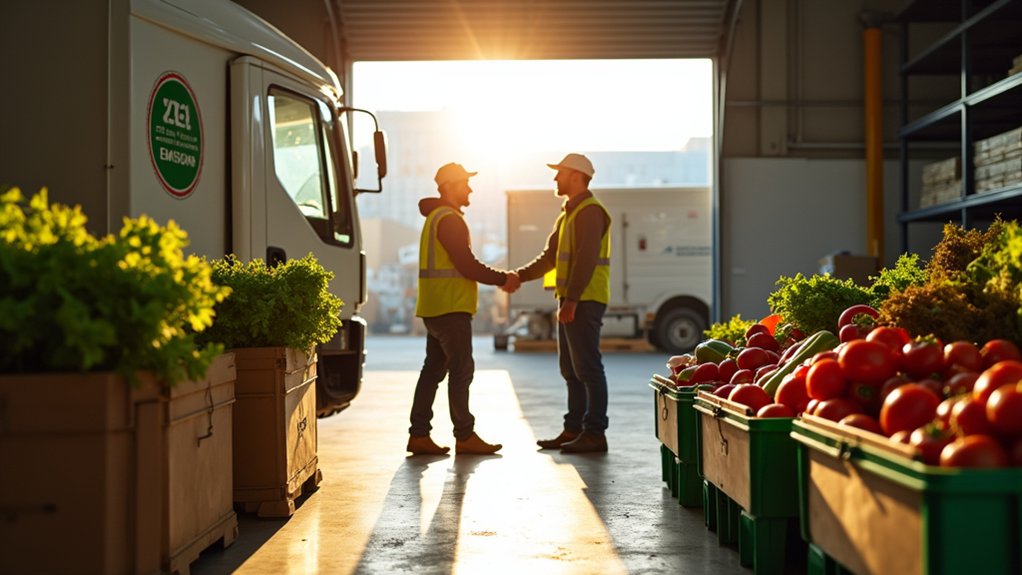
Taking care of the environment is key for food companies working together successfully, helping them save money and stand out in the market. Using green packaging and cutting down on waste helps companies spend less while attracting customers who care about the environment.
When companies use smart environmental practices, like planning better delivery routes and buying certified organic foods, they get clear results. Companies that follow these practices cut their pollution by up to 30% and make 20% less waste.
Getting environmental certificates helps them stand out from other businesses, keeps customers coming back, and opens doors to new business chances by showing they care about nature. These benefits show that being environmentally responsible is vital for building lasting business relationships.
Financial Partnership and Risk Management
Financial teamwork and careful risk planning help build strong food distribution partnerships. When partners work together to predict costs and spread out risks, they create lasting business relationships that can handle market ups and downs.
- Sharing costs helps both partners manage their money better
- Clear tracking of results helps spot problems early
- Working together on new technology helps both businesses grow
- Sharing risks protects against delivery and supply problems
- Planning money matters together makes better use of resources
Working together on money and risk creates a strong foundation for growth. This helps partners adjust to market changes while keeping operations steady and making more money through shared resources and common goals.
Cultural Compatibility and Shared Values

Food partners work best together when they share more than just business goals – they need similar beliefs and ways of doing things. When companies have matching values and understand each other’s culture, they build trust and work through challenges more easily.
Teams that share the same standards for doing business and treating others tend to stay strong even when markets get tough. They adjust to changes together and solve problems as one unit.
When partners can talk openly with each other, they come up with better ideas and find new ways to give customers what they need. Companies that care about the same things, like food quality and protecting the environment, build relationships that last longer and help each other grow.
Performance Metrics and Continuous Improvement
Strong food distribution partnerships need clear ways to measure how well things are working and make improvements over time. Setting goals and checking progress regularly helps partners make better choices based on real numbers and adjust their plans when needed.
Important things to measure include:
- Daily and weekly sales numbers shown on easy-to-read screens
- How accurately foods get delivered at each step
- What customers say about the service and their overall happiness
- Where things tend to slow down or get stuck in the delivery process
- How well partners can change plans when market needs shift
Frequently Asked Questions
What Are the Challenges of Food Distribution?
Getting food from farms to people’s tables comes with big problems. Companies must deal with broken supply lines, keep track of many moving parts, follow strict rules, and make sure food stays fresh and safe. They also need to handle storage carefully, plan truck routes, and keep up with changing customer needs.
What Is a Food Distribution Strategy?
A food distribution strategy is a well-planned way to get food from farms and makers to the people who buy it. It covers how food is bought, moved, and stored, using clear steps and tools to make sure everything runs smoothly. The plan helps businesses deliver food quickly and reach more customers while keeping track of their supplies.
What Is the Purpose of a Food Distributor?
A food distributor connects food makers with stores and restaurants. They handle the important job of moving food products from where they’re made to where they’re sold. These companies make sure food stays fresh, arrives on time, and is stored properly. They keep track of food supplies and make the whole process of getting food from farms and factories to shops run smoothly.
Who Is the World’s Largest Food Distributor?
Sysco Corporation ranks as the biggest food supplier in the world, bringing in more than $60 billion each year. The company moves food products across a huge network of warehouses and trucks, and grows bigger by buying other food companies. This success shows how well they handle today’s food distribution needs.
Conclusion
Successful food distribution partnerships, like those managed by On The Run Marketing, need several key elements to work well over time. Partners must talk openly with each other, stick to quality standards, use good technology, and share the same goals. Setting clear targets, keeping money matters healthy, and using methods that last are vital steps. When partners focus on getting better and solving problems together, they can handle market changes while growing side by side. At On The Run Marketing, we’ve seen how these basics help build lasting relationships that benefit everyone involved.