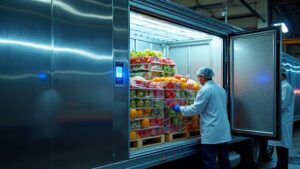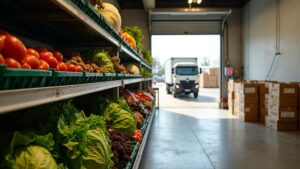
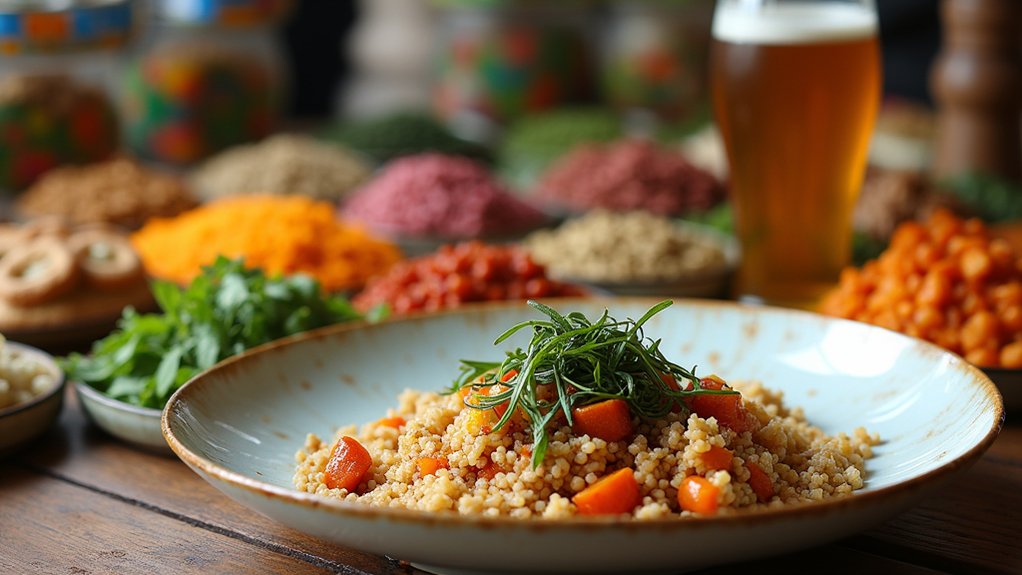
South African food trends show big changes in how people buy and eat food. Food apps and online ordering are making it easier to get groceries and meals. Local cooking styles are mixing with new ideas, bringing fresh ways to use South African ingredients and old recipes. More people want healthy foods, leading to more plant-based meals and local grains on shelves. As prices go up, many people look for cheaper food options and cook more at home. These changes are reshaping how South Africans think about, buy, and eat their food.
Key Takeaways
- Traditional South African ingredients like sorghum and amaranth are experiencing renewed popularity in modern cooking and packaged foods.
- Digital food ordering and grocery shopping apps are transforming how South Africans purchase and plan their meals.
- Economic pressures are driving consumers toward home cooking and budget-friendly protein alternatives like beans and legumes.
- Cultural fusion cuisine combines traditional African recipes with modern cooking methods, influencing restaurant menus and ready-meal offerings.
- Local sourcing and sustainable food practices are becoming essential business strategies rather than optional marketing features.
The Rise of Tech-Enabled Food Solutions in South Africa

Tech-driven food services are changing how South Africans buy, plan, and eat their food. More people are using phone apps to shop for groceries, finding it easier than going to stores.
Smart apps now help people choose what to eat based on their needs, making meal planning simpler and helping them eat better.
Food companies now use QR codes to show where food comes from, letting shoppers check their food’s journey from farm to store.
Restaurants have switched to digital ordering systems, making it faster to serve customers and run their business.
These changes show how South Africans want food services that are easy to use, fit their personal needs, and work well with their phones and computers.
Real-time inventory tracking systems are helping food businesses reduce waste and maintain fresher stock by monitoring supply levels continuously.
Cultural Fusion and Local Ingredient Innovation
South African food is changing as old recipes blend with new cooking methods. Food makers are finding fresh ways to use local ingredients, especially traditional grains and plants, to tell stories about their culture.
| Trend | Market Impact |
|---|---|
| Local Grains | More people buying sorghum and amaranth foods |
| Mixed Cooking Styles | Better sales of mixed-style ready meals |
| Local Ingredients | More restaurants using seasonal foods |
| Classic Frozen Foods | More authentic frozen meals in stores |
People want food that feels real but is still easy to make. Food companies are making new products that keep old cooking traditions alive while making them easier to prepare. This is clear in frozen foods and ready-to-eat meals. By putting traditional ingredients in modern packaging, companies show they can keep old food traditions while moving forward with new ideas. The growing popularity of culinary tourism has encouraged food distributors to showcase authentic South African dishes like Bunny Chow and boerewors.
Sustainable Practices Reshaping Food Production
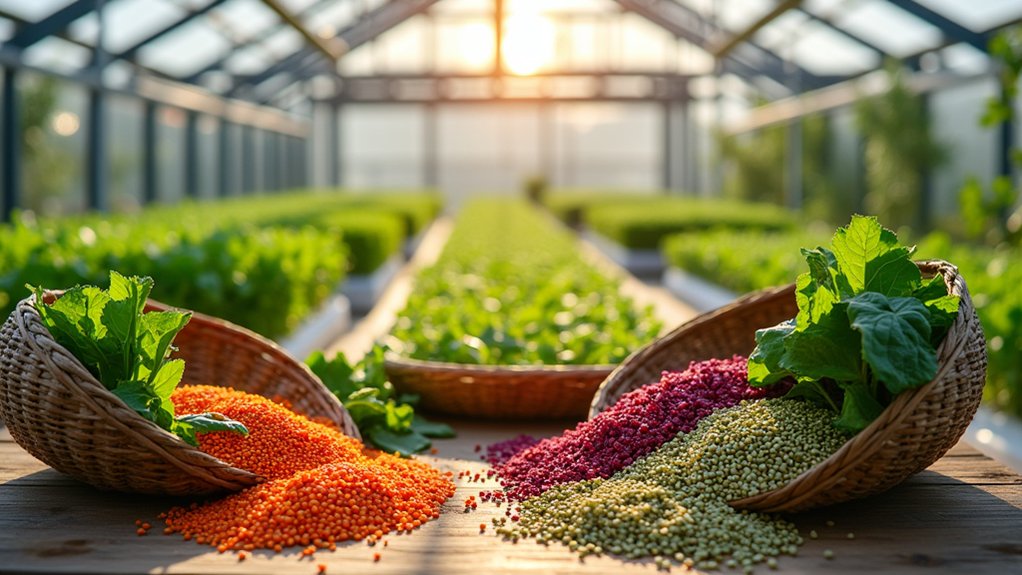
Food production in South Africa is changing as old methods struggle with limited resources. More people now care about how their food is made, pushing companies to buy from nearby farms and cut down on waste.
Many restaurants now sort their trash for recycling and carefully manage leftover food. Food stores work closely with farmers who use earth-friendly growing methods.
The market is turning to foods that grow during specific seasons and traditional African dishes, instead of bringing in food from far away. This shift happens because it’s better for the environment and because customers want it.
Being green is now a must for businesses, not just a passing fad. Leading distributors like GreenEats Distribution are setting new standards by focusing on locally sourced organic produce and minimal packaging solutions.
Health-Conscious Consumer Demands and Adaptations
The way South African shoppers choose their food is changing, with more people picking healthier options. People now want food that matches their personal health needs and care about where their food comes from. Many are even using DNA testing to plan their diets and looking for food grown in ways that help the environment. Diverse menu options have become essential for meeting the varied dietary needs of South Africa’s multicultural population.
| Trend Category | Consumer Behavior | Market Impact |
|---|---|---|
| Nutrition Focus | Plant-based eating | More demand for local grains |
| Cost Management | More cooking at home | People buying more beans |
| Protein Demand | Adding protein to foods | New high-protein foods |
| Ethical Choices | Earth-friendly sourcing | Brands must prove good practices |
| Health Tech | DNA diet planning | Custom food advice |
These changes show how the food market is growing smarter, mixing health needs with money-saving choices. This push for better food choices is helping create new products in South Africa’s food industry.
Plant-Forward Movement and Alternative Proteins
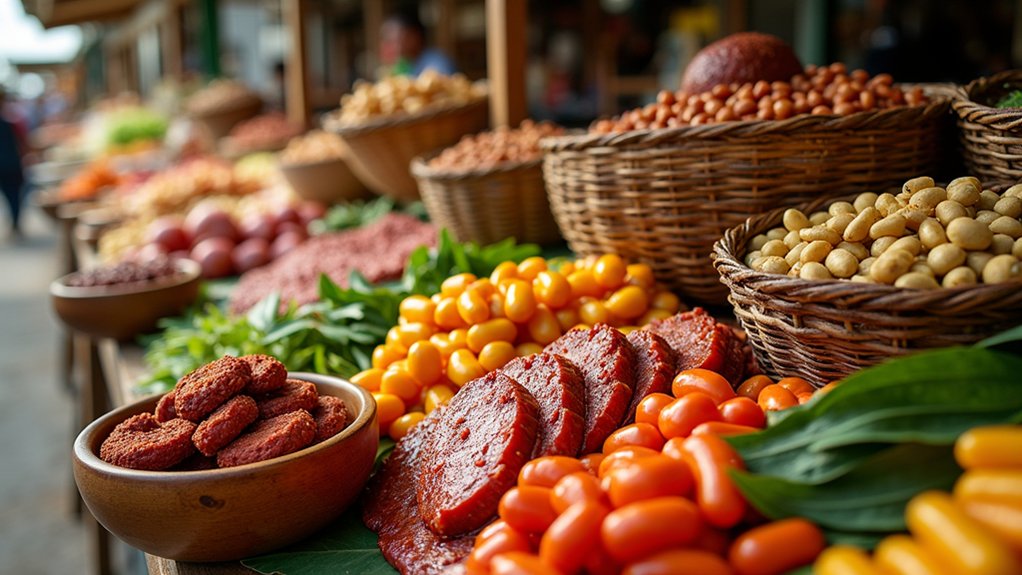
South Africa’s food industry is changing as more people choose plant-based foods. Local grains like sorghum and amaranth are becoming popular in modern cooking, showing how traditional ingredients can meet new food trends.
People who sometimes eat meat and those who avoid it completely are buying more frozen plant-based foods for easy meals.
Food makers are creating new protein options from plants and quick-to-prepare dishes to match these changing food choices. Companies are also thinking more about the environment and where their ingredients come from, helping meet the growing need for plant-based foods. The shift toward plant-based options has led to enhanced brand loyalty among environmentally-conscious consumers who prioritize sustainable food choices.
Economic Influences on Food Choices and Market Shifts
Food buying habits in South Africa are changing as money gets tighter. People still want healthy food but now look harder at prices when shopping.
Numbers show that fewer people are buying expensive brands and eating out. Instead, they cook more at home and choose foods that give good value.
Many now buy beans and fresh vegetables, and make sure to include some form of protein in their meals. Even with less money to spend, shoppers try to buy local foods and support responsible farming.
These changes show how people find smart ways to eat well when money is tight.
Frequently Asked Questions
What Are the Current Market Trends in South Africa?
South African shoppers are buying more eco-friendly and plant-based foods as they become more aware of health choices. Local products and healthy items are selling better in stores across the country.
What Is a Current Trend in the Food Industry?
More people are choosing to eat plant-based foods worldwide, which has led to a 14% rise in handmade food products. Food companies are creating new meat substitutes and high-quality plant foods that you can find in many stores.
What Is the Trend in Fast Food in South Africa?
Fast food in South Africa is changing, with more choices for people who don’t eat meat and easier ways to get food. Customers want food that’s better for them, so food chains are adding new items to their menus. They also make it easy to order food using phones and computers.
What Is the Biggest Food Trend Right Now?
Plant-based foods are leading the way in what people eat today, and buying food grown in earth-friendly ways comes right after. People are buying 40% more plant-based foods than last year, mainly because they want to be healthier and help protect the environment.
Conclusion
South African food trends in 2023-2024 reflect a market in transformation, driven by technological integration, sustainability imperatives, and changing consumer preferences. As a key player in this evolving landscape, On The Run Marketing has witnessed the growing demand for digital food platforms, fusion cuisine, and locally-sourced ingredients. While economic pressures persist, manufacturers and retailers continue adapting through value-oriented innovations, and health-conscious and plant-based options gain significant market share across all customer groups.